Strict liability (§ 767.04). The owner of a dog that bites a person is liable for the damages, regardless of the dog's past behavior or the owner's knowledge, as long as the person was in a public place or lawfully on private property, including the owner's own home or yard. A separate statute, § 767.01, makes owners liable for other harm their dogs cause, such as knocking someone down.
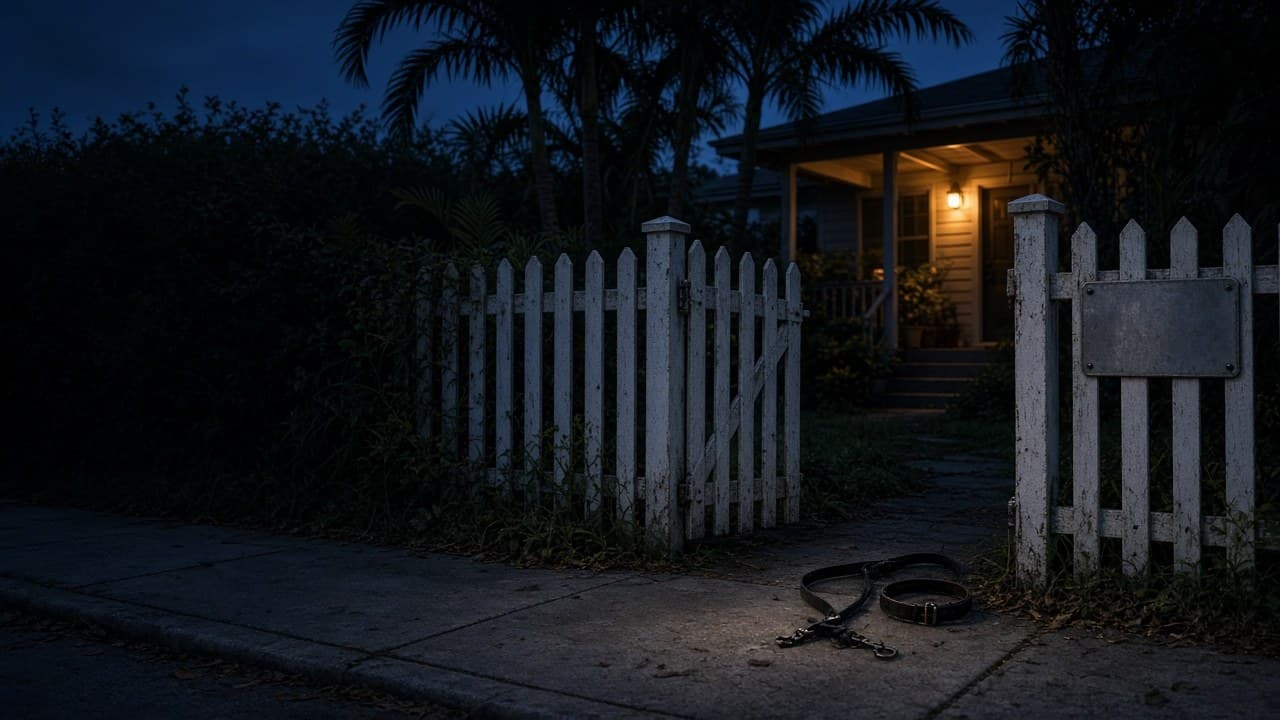
The “Bad Dog” sign defense. An owner generally isn't liable if a sign that includes the words “Bad Dog” was displayed prominently and was easy to read on the property when the bite happened. The sign defense does not apply if the victim was under 6 years old, or if the bite was caused by the owner's own negligence, like leaving a gate open or letting the dog off its leash. We look closely at where the sign was and whether it could actually be read.
Comparative fault. If the victim's own carelessness helped cause the bite, such as provoking or teasing the dog, the owner's liability is reduced by that percentage. Insurers lean on this argument, which is why witness statements and scene evidence matter.
Dangerous dogs. Under Florida's dangerous dog laws (§§ 767.11–767.13), animal control can classify a dog as dangerous after it bites or attacks. The owner must then register the dog, confine it securely and keep it muzzled and leashed off the property. A prior dangerous dog finding is powerful evidence. Florida doesn't let local governments regulate dogs based on breed alone, so any breed can be declared dangerous because of what it does.
Who else may be responsible. A landlord who knew a tenant's dog was dangerous and could have removed it, or a business that kept a dangerous dog on its premises, may share responsibility. Some cases also overlap with premises liability claims.